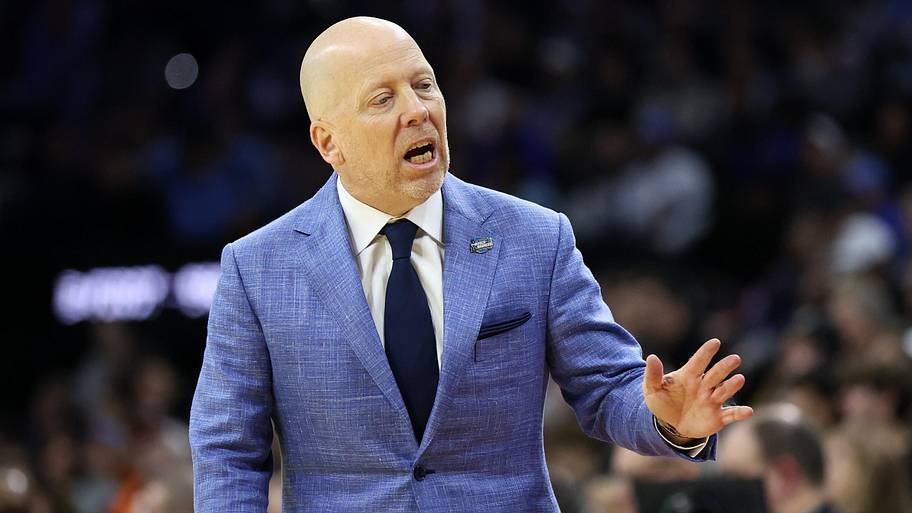
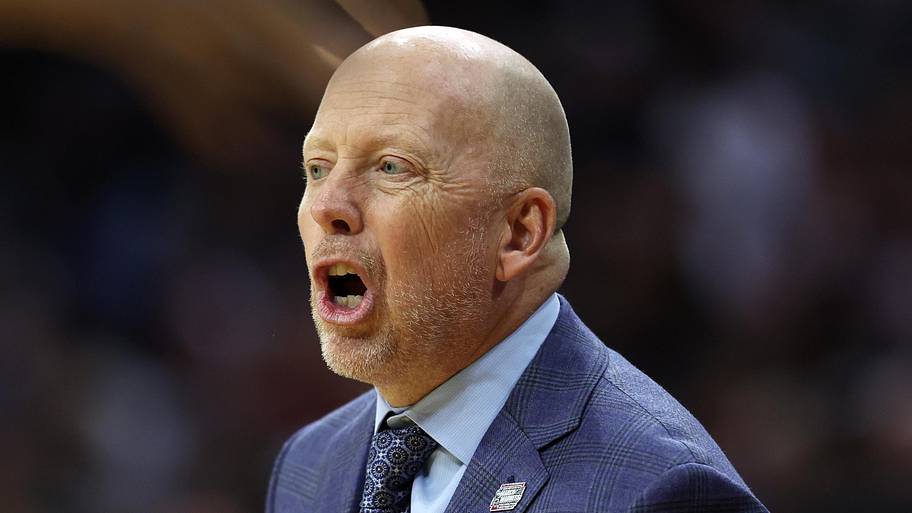
UCLA had mixed results throughout much of the 2025-26 men's college basketball season, but ultimately reached the Big Ten Tournament championship game and the second round of the NCAA Tournament.
It wasn't the season the No. 15- ranked preseason team had in mind, and the team seemed to struggle with the same issues. But they found temporary fixes for extended stretches throughout the year, showing potential when things went well.
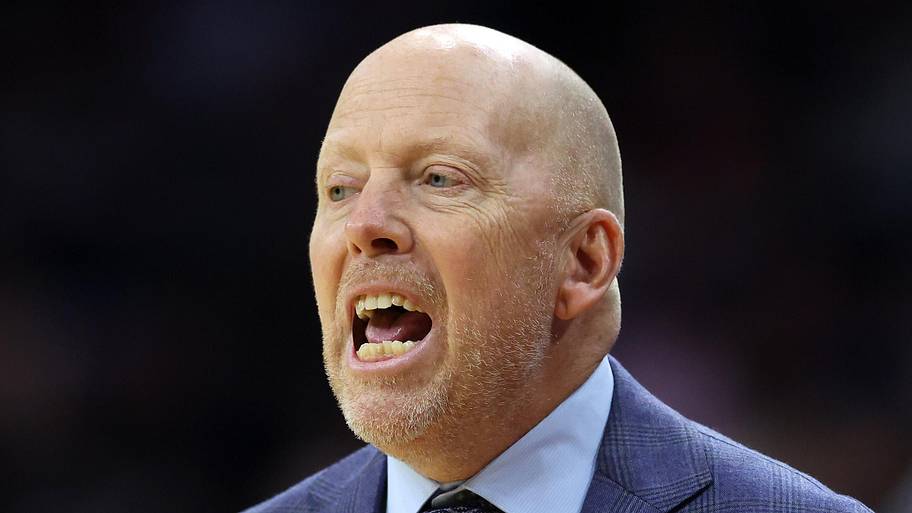
Here are four areas in which UCLA needs to improve to have a successful 2026-27 season and compete in the Big Ten.
1. Defensive Consistency
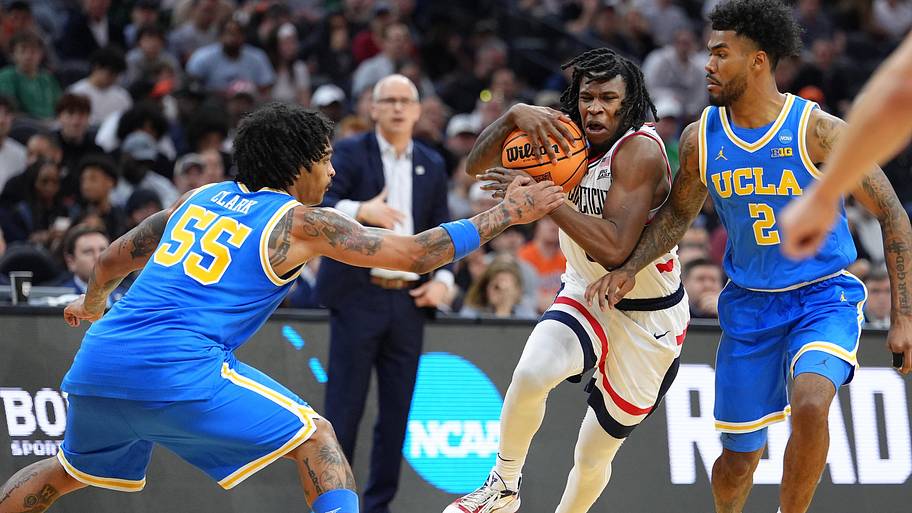
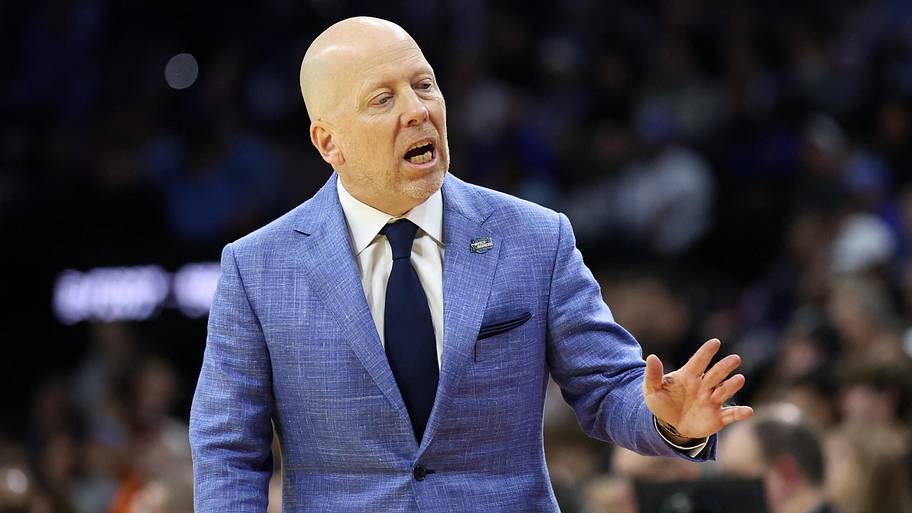
Defense is a foundational principle of Mick Cronin's programs, yet UCLA struggled to maintain an elite level on that end of the court last season. The Bruins had great stretches where they would hold opponents under 70 points — including an early loss to Final Four-bound Arizona– yet suffer through equally bad stretches when plenty of teams would put up 80-plus, which inevitably cost UCLA some games.
The defense made its biggest improvements late in the season as UCLA fought to make the NCAA Tournament, and a few players who made strides during that time will be key in 2026, along with the increased communication that many pointed out as a difference-maker. The leaders of that group will be senior center Xavier Booker and senior guard/forward Eric Dailey Jr.
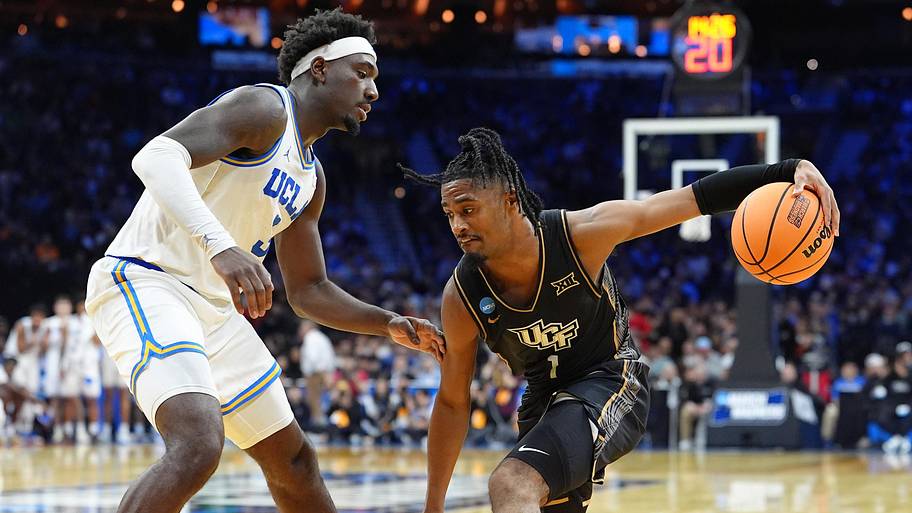
Booker has elite offensive abilities, but he's been challenged by the physicality at the college level. If he can finally get fully adjusted, he'll become an elite rim-protector. Dailey Jr. was the primary player singled out by Cronin for his contributions to the improved defensive efforts, making him a solid building block entering this season.
2. Secondary Scoring
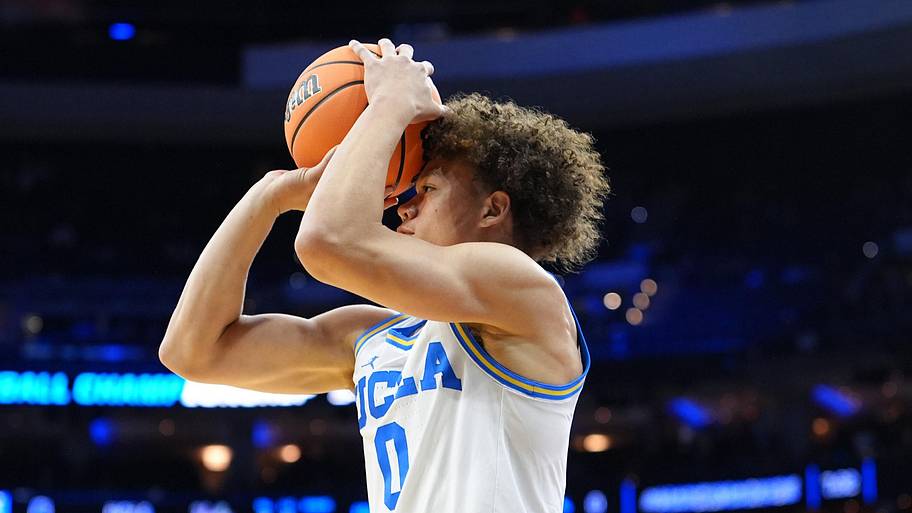
This wasn't a problem for the entire season, but there were critical times when it made a difference, like the 10-game stretch without Skyy Clark. Trent Perry eventually stepped up during that time and provided much of the secondary scoring for the Bruins for the rest of the season, and Donovan Dent also developed into a prime scoring option.
However, with Dent, Clark, and Tyler Bilodeau — three of last year's top five scorers — all among UCLA's offseason departures, Perry suddenly becomes THE guy for the Bruins' offense, which hasn't been the most potent. Mick Cronin's teams like to grind out wins, so this may not be an area in which they excel.
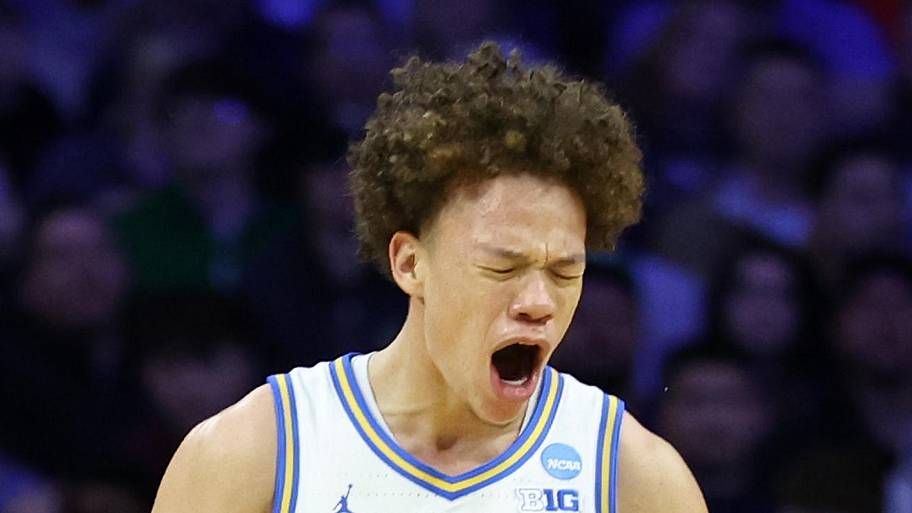
Dailey Jr. and Texas Tech transfer Jaylen Petty will be able to take some of the load off of Perry's shoulders, but they'll also need someone to emerge who doesn't primarily play on the perimeter to take some pressure off that trio.
3. Toughness and Rebounding
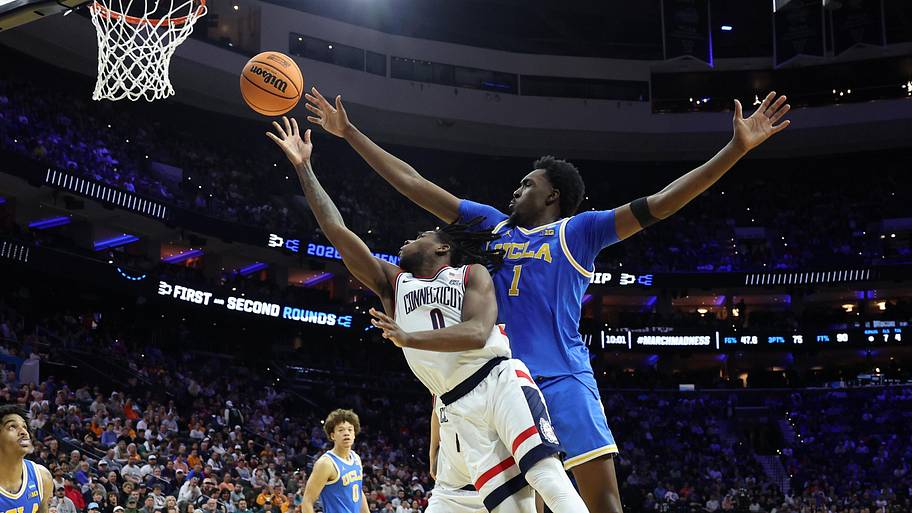
These go right along with the defense and were among the chief complaints Cronin lamented the most frequently last season. He was rarely pleased with how the Bruins attacked the glass and the inside of the paint. UCLA was 259th nationally in rebounding margin (-1) in 2025-26 and 315th in rebounds per game, neither of which will win many games in the Big Ten.
We've mentioned part of Booker's role in this above, but he really needs to become an elite rebounder for this version of the Bruins to succeed. At 6-foot-11, he needs to be grabbing more than 3.5 rebounds per game. They're also hoping that transfers Sergej Macura and Filip Jovic and freshman Javonte Floyd can help with that.
4. Playing on the Road
UCLA's road struggles developed into a theme last season as the Bruins posted an impressive 17-1 record at home while stumbling to a 4-6 mark in away games. They also had incredible issues when traveling outside the Pacific Time Zone, but seemed to rectify that late in the season.
They won three games in the Central and Eastern Time Zones during the Big Ten and NCAA Tournaments. Perhaps that's something they can build on because those results won't keep the Bruins afloat for long.
This article was originally published on www.si.com/college/ucla as UCLA Basketball Cannot Afford to Ignore These 4 Areas in 2026-27.